
RATES & MONETARY POLICY · SEPTEMBER 4, 2026
Fed Governor Waller Signals a Data-Dependent September Rate Decision
Governor Christopher Waller said on September 3 that continued disinflation could support holding the policy rate steady, while a reversal in August inflation could make a rate increase appropriate at the September 15–16 FOMC meeting.
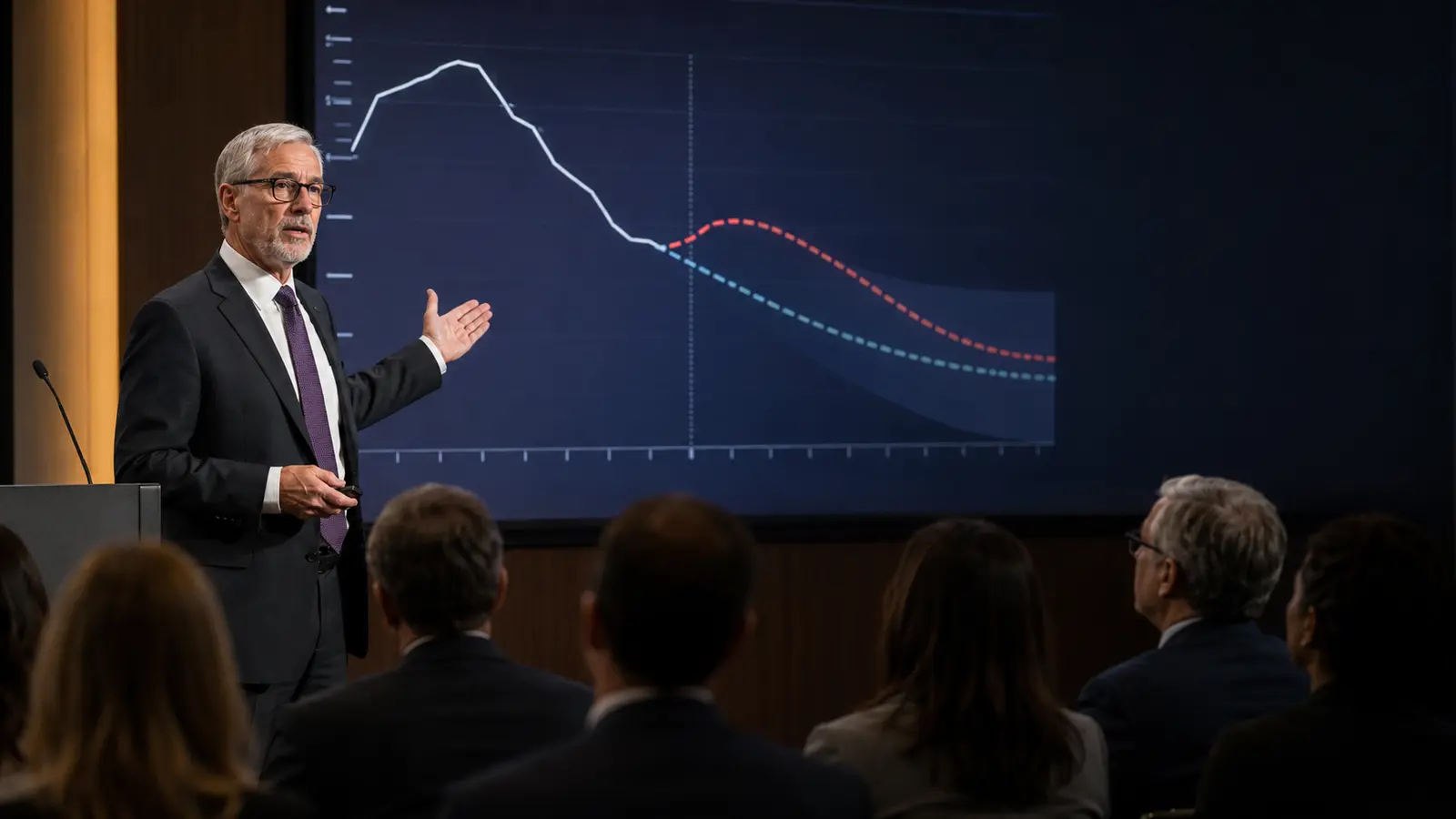
The conditional policy message
In remarks dated September 3, Governor Christopher Waller said recent data showed signs of disinflation even though inflation remained meaningfully above the FOMC's 2% goal. He said continued improvement in data due before the September 15–16 meeting could support holding the policy rate at its current setting, while an August inflation reversal could make a rate increase appropriate. The remarks express one governor's view and are not an FOMC decision.
- 01Inflation remains above 2%
- 02August data may shape the decision
- 03Model more than one rate path
The economic backdrop Waller described
Waller cited 1.8% annualized real GDP growth in the first half of 2026, strong business investment, and a stable labor market. He also noted three-month core inflation of 3.05% through July, down from 4.76% in February, while identifying upside risks from energy, technology-goods demand, tariffs, and inflation expectations.
Practical borrower takeaway
A commercial loan quote may respond to Treasury yields, SOFR, Prime, lender funding costs, and transaction risk before or after an FOMC decision. Maintain base, higher-rate, and lower-rate payment scenarios; confirm the contractual benchmark, spread, floor, reset frequency, rate-lock terms, and quote expiration; and preserve enough closing time that the financing plan does not depend on one predicted policy move.
Borrowers should avoid building a transaction around one expected Fed outcome and instead model current pricing, a higher-rate case, and execution timing through the next decision.
Discuss a financing need →This independent summary is based on the cited source and is provided for general educational purposes only. Terms and program requirements may change.